Experiential Marketing Strategy in 2026: Pillars, Trends, and Planning Framework
Jun 22, 2026

Jun 22, 2026
Most brands have run an experiential campaign. Far fewer have built an experiential strategy.
The difference matters. A one‑off activation can generate buzz, but that buzz fades without clear objectives, audience insight, and measurement.
In 2026, the most effective experiential marketing programs are built as scalable systems, not individual events.
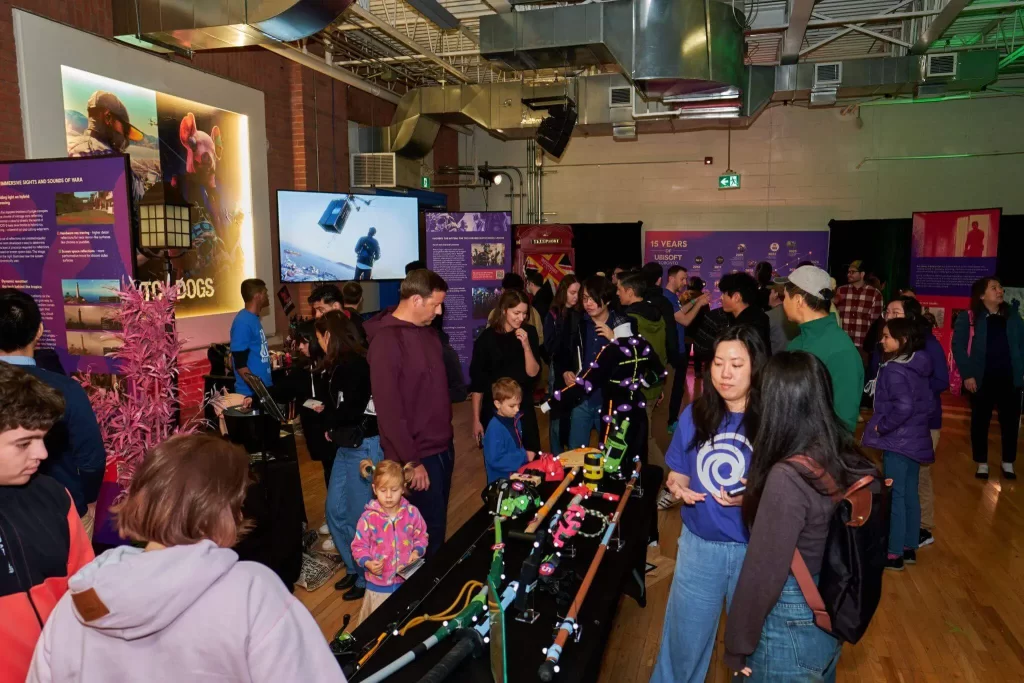
Not every branded event constitutes strategic experiential marketing. A gala dinner with a logo wall differs significantly from a purposefully designed brand experience that leverages audience psychology, engagement marketing, and integrated amplification.
A strong experiential strategy maps the customer journey to find where live, in‑person interaction can best influence perception, build trust, or accelerate purchasing decisions.
This requires defining your target audience by psychographics and behaviour, not just demographics. The better you understand customer motivations, the more effectively you can design experiences that resonate.
Every touchpoint from the entry moment to the final interaction should reinforce a clear brand narrative and reflect the brand’s identity and values. When designed this way, the experience feels like stepping inside the brand’s story.
Strong storytelling helps brands create memorable events and meaningful engagement that audiences carry with them long after the campaign ends.
Modern experiential marketing campaigns are designed for two audiences: those in the room and those watching online. Physical activations should be built from the start to generate digital content, so the experience extends well beyond the venue and reaches audiences who were never there.
The most effective experiential marketing strategies establish KPIs during the planning stage, not after the event concludes. These insights help refine future campaigns and strengthen long‑term marketing strategies.
Every high‑performing experiential marketing strategy is built on four structural pillars.
| Pillar | Purpose | Key Outputs |
| Objectives | Define success before planning begins | KPIs tied to marketing goals and conversions |
| Audience | Identify who the experience is designed for | Customer journey insights and persona mapping |
| Experience Design | Create immersive and engaging experiences | Interactive installations, product demonstrations |
| Measurement | Evaluate campaign success | Engagement metrics, social amplification, ROI |
In 2026, experiential marketing is shaped by technological advancements and evolving consumer expectations.
Artificial intelligence enables brands to tailor experiences in real time. AI can analyse attendee behaviour at experiential marketing events and dynamically adjust content or recommendations.
More brands are using augmented reality (AR) and virtual reality (VR) to create immersive environments and interactive product showcases. These technologies allow audiences to explore products in ways that traditional advertising cannot match.
Brands are moving toward smaller, curated experiential events designed to foster deeper personal connections and stronger engagement. These experiences often generate stronger word‑of‑mouth marketing and increased brand loyalty.
Digital and hybrid campaigns combine virtual events with in‑person experiences, allowing brands to maintain high engagement with remote audiences. Interactive webinars, virtual reality environments, and live digital broadcasts are becoming common extensions of experiential campaigns.
Sustainability has become a baseline expectation for experiential marketing. Brands are increasingly designing campaigns with responsible materials, logistics planning, and environmentally conscious production.
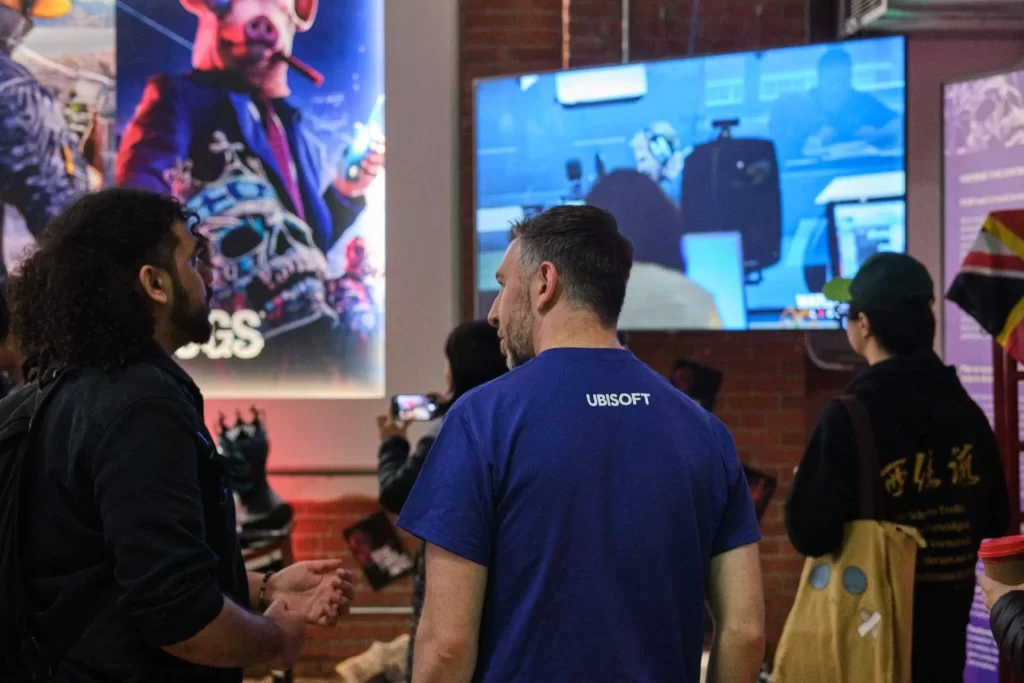
Turning strategy into execution requires moving through each pillar in sequence with clear accountability at every stage.
Decide what success looks like before any creative work begins. Tie every KPI directly to a business priority: brand awareness, lead volume, sales acceleration, or customer retention.
Go beyond demographics. Use behavioural data, focus groups, and customer journey mapping to understand what motivates your audience and where live interaction has the most influence.
Translate your brand narrative into a physical and sensory experience. Every design decision, space layout, touchpoint, and visual identity should serve the story you are telling.
Engineer shareability into the experience itself. Identify the moments most likely to be captured and shared, brief any influencer partners in advance, and build UGC prompts directly into the activation flow.
Use digital registration, QR codes, or CRM integrations to capture participant data at entry and throughout the experience. Define what you are collecting and why before the event, not after.
Train brand ambassadors to guide attendees through the experience with consistent messaging. Ensure every team member understands the campaign objective and their role in delivering it.
Score performance against the KPIs set in Stage 1. Use the findings to brief the next campaign, not just to report on this one.
Experiential marketing reaches its full potential when it runs as a three‑phase content engine before, during, and after the event.
Experiential marketing is most effective when it supports broader business priorities.
| Business Function | Experiential Contribution |
| Marketing | Boost brand awareness and visibility |
| Sales | Generate leads and accelerate purchase intent |
| Customer Success | Strengthen relationships with loyal customers |
| Brand | Build emotional connections and brand loyalty |
By aligning experiential marketing with sales and customer success initiatives, companies can turn potential customers into loyal customers.
A robust experiential marketing measurement strategy tracks both quantitative and qualitative indicators.
| Metric | What to Measure |
| Engagement | Dwell time, interaction rates, participation |
| Brand Impact | Brand awareness lift and sentiment |
| Lead Generation | Qualified leads and opt‑ins |
| Social Amplification | Social media mentions and user‑generated content |
| Revenue Impact | Sales lift and conversion influence |
Gathering these insights helps brands optimize future campaigns and make more informed strategic decisions.
The four core pillars are objectives, audience insight, experience design, and measurement. These pillars guide how brands create immersive experiences that connect marketing campaigns to business outcomes.
Define campaign objectives, research the target audience, design engaging experiences, integrate digital amplification, execute the activation, and measure results.
Experiential marketing is effective because it creates emotional connections and memorable experiences that traditional advertising methods cannot replicate.
By allowing customers to interact with a brand firsthand through immersive and engaging experiences, experiential marketing builds trust, strengthens relationships, and encourages long‑term loyalty. See how Yellow House Events works with experiential marketing campaigns.
The brands leading in 2026 treat experiential marketing not as a one‑off event but as a strategic pillar within their broader marketing mix, intentional, measurable, and built to scale.
Whether you are planning a product launch, brand activation, pop‑up event, or immersive corporate experience, the framework above provides a repeatable system for turning bold ideas into measurable business results.
Are you ready to bring your next experiential campaign to life? Explore Yellow House Events’ experiential marketing services or get in touch to start planning.
Say hello, hello@yellowhouseevents.com.