Different Types of Experiential Marketing Campaigns and Use Cases
Jun 19, 2026

Marketing today is shifting away from traditional advertising and one‑way messages toward experiential marketing events that people can actively participate in. A successful experiential marketing campaign uses live, in-person events to create memorable customer experiences that reflect brand values, build personal connections, and drive sales over time.
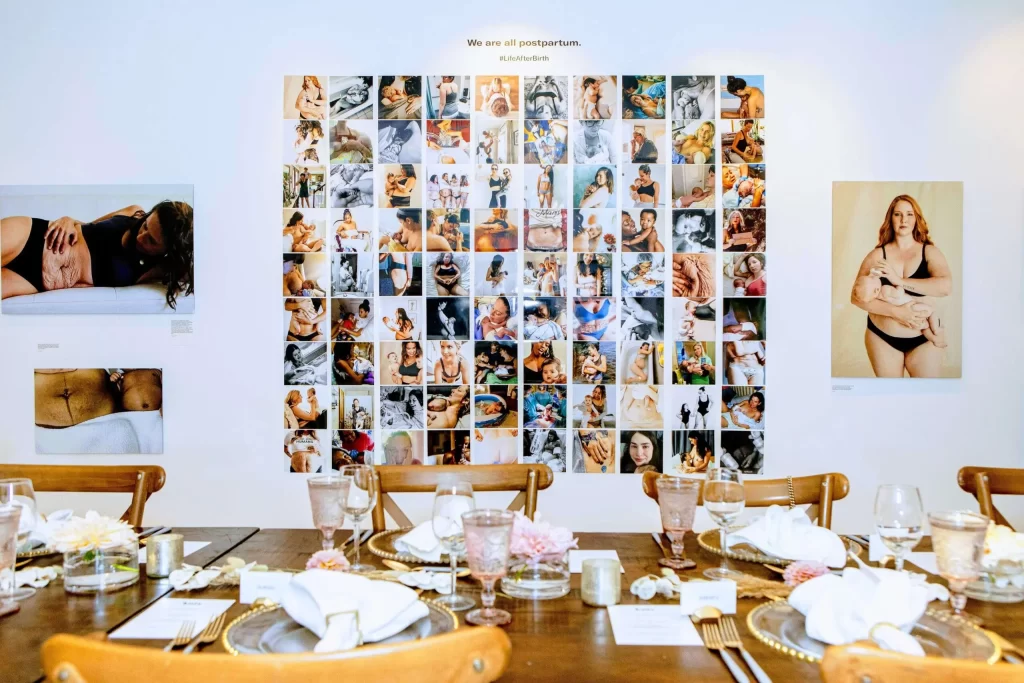
The core types of experiential marketing campaigns include live brand activations and sampling, pop‑ups and immersive brand environments, roadshows and sponsorship activations, trade show and conference experiences, hybrid live‑digital campaigns, guerrilla activations, and launch or VIP events. Experiential marketing campaigns use real‑world interactions to move potential customers through the marketing process.
Each experiential event combines experiential elements, interactive experiences, and storytelling to engage customers in physical space, engage multiple senses, and bring people closer to a purchase or brand decision.
View the gallery of our past events showcasing each experiential project’s story.
Live brand activations and product sampling campaigns bring a product or brand message directly to people through in‑person experiences, letting potential customers taste, test, or use the product instead of just seeing an ad. These real‑time trials collapse the gap between awareness and experience and help people understand the product’s value quickly so they can decide on the spot whether it fits their needs.
In‑store product demonstrations at warehouse retailers like Costco show how powerful this can be: shoppers encounter the product in the aisle, try it immediately, and can add it to their cart within the same interaction. When brand ambassadors guide people through these trials and answer questions on the spot, it turns a single interaction into a successful campaign that both fosters deeper connections and supports long-term customer relationships.
Pop‑ups and immersive brand environments are short‑term spaces that turn a store, venue, or public area into a fully branded, interactive experience. Because they are temporary, these physical spaces naturally feel special and time‑limited, which pulls people in and encourages them to explore.
Inside, visitors move through the brand story, discover products, and create content in photo‑friendly areas built for social media channels.
Beauty brands like Glossier use temporary pop‑up stores in major cities to combine product testing, immersive design, and social‑ready moments in ways that feel like a fun and unique experience built to generate buzz and social sharing.
Roadshows and mobile tours take a branded experience on the road, bringing live marketing and ground marketing tactics to multiple locations without building permanent spaces in each one. Sponsorship activations turn a static logo at an event into a hands‑on brand space that people can step into and interact with.
Setting up inside existing festivals, sports games, or campus events taps into audiences that are already excited, social, and ready to engage.
Red Bull’s mobile tours, branded vehicles, sampling, and live entertainment at festivals, sports competitions, and campuses show how one experiential concept can scale across regions while staying consistent with the brand.
Trade show and conference activations are experiential booths, kiosks, and brand stands built inside business events where buyers, partners, and decision-makers gather, often with simple interactive elements like photo booths or augmented reality. Instead of relying only on brochures or slide decks, these spaces use live demos, product experts, and interactive stations to bring complex offerings to life.
Attendees arrive in discovery mode, so a well‑designed experiential stand can compress months of outreach into a few focused days.
Salesforce’s immersive presence at Dreamforce, with hands‑on product areas and networking zones, is often cited as a model for B2B experiential marketing inside a conference environment.
Hybrid experiential campaigns link a live event with digital touchpoints such as livestreams, microsites, or AR/VR so people can take part in person or online. A single physical activation creates the core story, while digital channels extend that story to audiences who cannot be there and generate media coverage beyond the venue.
These hybrid events make it easy to gather valuable data on how people interact with the experience across channels, which can inform future experiential marketing efforts and broader marketing goals.
Apple’s product launch events, which combine a live presentation with global livestreams and real‑time conversation across social media channels, demonstrate how a single experiential moment can reach worldwide audiences.

Guerrilla marketing activations are unexpected stunts or pop‑up moments in public spaces designed to surprise people, spark conversation, and earn attention without a large build or budget. These innovative ways of using public environments can create memorable experiences in seconds and leave a lasting brand impression long after the moment passes.
Launch parties and VIP experiences are invite‑only events that give priority audiences, loyal customers, media, influencers, and partners an early, more intimate look at a product or campaign. These curated gatherings focus on making guests feel valued and on the inside, which deepens loyalty and encourages them to share the experience with their own networks.
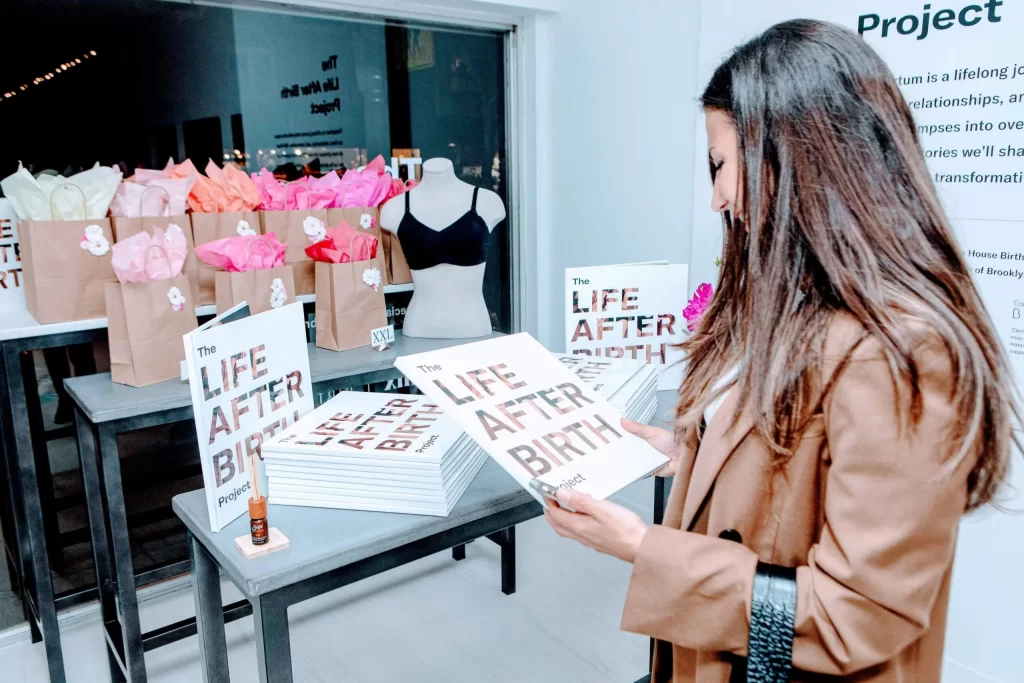
Choosing the right format for your next marketing campaign starts with aligning the experiential concept to your marketing strategy, objectives, and audience. Defining clear objectives for the experiential marketing campaign will guide the entire process, from selecting formats to deciding how success will be measured.
| Campaign Objective | Recommended Campaign Types |
| Brand awareness and reach | Pop‑up events, festival activations, sponsorship activations, roadshows |
| Product launch and education | Sampling campaigns, live brand activations, launch parties, interactive installations |
| Lead generation and sales pipeline | Trade show activations, conference experiences, hybrid campaigns |
| Social media amplification and UGC | Immersive experiences, pop‑up shops, AR/VR‑integrated campaigns |
| Customer loyalty and community building | Launch parties, curated micro‑experiences, co‑created brand events, retail activations |
Every experiential marketing campaign should have clear success metrics defined before launch so performance can be measured against the broader marketing strategy.
Common experiential KPIs include:
The main types include live brand activations and sampling campaigns, pop-up events and immersive brand environments, roadshows and sponsorship activations, trade show and conference experiences, hybrid experiential campaigns that blend live and digital, guerrilla marketing activations, and launch parties or VIP experiences. Together, these formats give marketers flexible ways to design experiential events that engage customers in physical space and online.
Start by clarifying the goal of your next marketing campaign, then choose the experiential format that best supports that goal and audience. Build in interactive experiences that engage multiple senses, design for shareability on social media channels, and connect every touchpoint back to a clear message. Treat each activation as part of a broader experiential marketing strategy rather than a standalone stunt, so insights and relationships can carry into future campaigns.
The most effective experiential campaigns are matched to the right audience, objective, and environment. Whether it is a pop-up, sampling activation, sponsorship, or hybrid event, Yellow House Events helps brands create engaging experiential campaigns built around real business goals.
Talk to us! 416.686.2550, hello@yellowhouseevents.com