Beyond the Big Idea: What an Experiential Marketing Agency Really Delivers for Corporate Brands
Jun 10, 2026

Jun 10, 2026
When you buy corporate experiential marketing, you are not choosing a big idea; you are choosing a system that can take a high‑stakes brief from strategy to measured results without drama. The ideas are visible; the real value is everything your stakeholders never see: risk management, logistics, data, and alignment across a complex corporate environment.
This article breaks down what a business-focused experiential marketing agency actually delivers for enterprise brands, so you can evaluate partners on execution, not just mood boards.

For corporate brands, the starting point is not a theme; it is a campaign strategy that connects the experience to defined business goals and campaign objectives. A capable agency clarifies who the target audience is, what behavior shift you need, and where experiential fits in your broader event marketing and digital marketing funnel.
This strategy phase translates commercial goals into a focused experiential marketing strategy backed by customer insights and brand positioning, so the experience reinforces brand perception instead of becoming a one‑off stunt.
Once the big idea is approved, the agency’s real work begins: experience design and event production. The concept is turned into a detailed, multi‑touchpoint brand experience that can survive real‑world constraints like budgets, venues, and risk.
Behind the scenes, a corporate‑calibre team manages core elements of experiential marketing tactics.
The agency maps how attendees move through live events, corporate events, private events, brand activations, pop‑up experiences, hybrid experiences, and virtual events. Each touchpoint is planned so brands connect meaningfully with potential customers, not just push out a one‑way message that feels like traditional marketing or a print ad. Today’s business audiences are also looking for more “casual” business events with authentic conversations, thoughtful content design, comfortable spaces, flexible dress codes, and more opportunities for dialogue and interaction, a shift we explore in depth in our Trendwatch: The “Casualization” of Business Events article.
Teams integrate AV, lighting, digital installations, interactive experiences, immersive environments, virtual reality, and augmented reality so the space feels shareable and memorable without sacrificing stability.
These digital touchpoints often replace or amplify digital ads, helping experiential marketing work harder across the entire marketing funnel.
Production partners turn 3D renders into physical experiential installations, signage, staging, and custom environments that feel like your brand, not a generic event. The aim is to leave a lasting impression and create memorable experiences that attendees talk about long after the activation ends.
For corporate marketing leaders, the biggest fear is not whether the idea is cool. But will this fall apart in front of our executives, partners, or customers? That risk is managed in the execution and operations layer.
Teams run detailed timelines, milestones, and a defined approval process that syncs with your internal teams.
Brand, legal, and procurement know when and how to sign off, reducing friction and ensuring impressions matter for the right reasons.
The agency manages transport, load‑in/load‑out, warehousing, multi‑market shipping, and coordination across vendors, suppliers, production partners, technology providers, and venue partners.
This keeps complexity away from your team while protecting service levels across every product or service on display.
Specialist recruiters source and train staffing and brand ambassadors who can hold real conversations, not just hand out swag. They understand your brand’s messaging, values, and tone, so every interaction feels like part of a single engaging experience.
Corporate‑level risk management includes plans for weather, power, technical systems, talent, and crowd safety. Agencies secure permits, ensure compliance, and operationalise health and safety protocols that stand up to corporate scrutiny.
This backbone is what allows you to invite executives, media, and VIP clients with confidence.
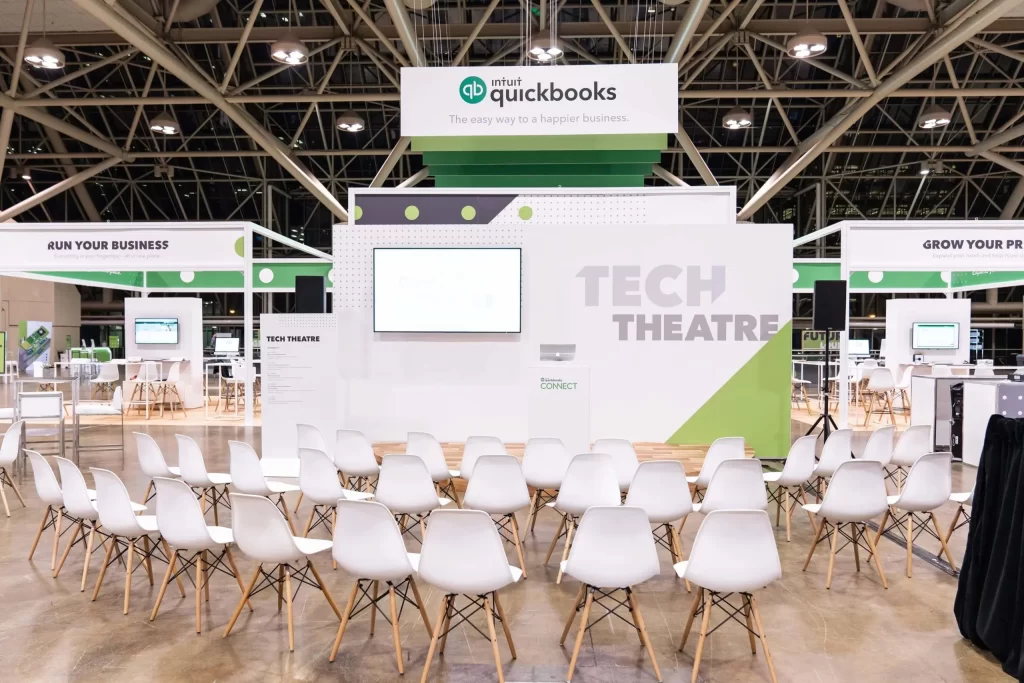
On event day, you are not just hosting a crowd, you are engineering customer engagement and emotional connection. Effective corporate experiential marketing blends physical and digital touchpoints to create memorable brand experiences that feel tailored, not generic.
High‑performing experiential marketing campaigns typically include:
For enterprise brands, it looks amazing is not a KPI. A modern experiential agency designs measurement into the program from the start and reports against clear key performance indicators.
A robust framework typically tracks:
Because experiential programs capture rich first‑party data, they provide actionable insights that inform future campaigns and prove how experiential marketing contributes to revenue impact.
A traditional event agency focuses on logistics, venue, catering, schedules, and vendor bookings. An experiential agency starts earlier and ends later: it connects the experience to campaign strategy, designs the full brand activation, integrates technology and data capture, and reports back on KPIs, engagement metrics, conversion metrics, and ROI.
Enterprise‑ready agencies build their process around your marketing teams, brand managers, marketing directors, stakeholders, and internal teams. Expect clear timelines, defined approval processes, structured feedback loops, and proactive communication that anticipates legal, procurement, and executive questions.
You should expect a measurement plan before you sign off on the concept. A credible agency will define KPIs, engagement metrics, conversion metrics, attribution models, and reporting formats upfront, then implement tools – QR codes, apps, registration systems, surveys to capture the right data.
When you evaluate agencies, the question is not, whose ideas are the boldest? But who can design, build, and safely deliver a complex corporate experiential marketing program that leadership will trust and your data team can measure? The right partner will show you their workflow process, risk management approach, measurement framework, and collaboration model, not just their highlight reel.
If you want your next activation to move from talk‑worthy to business‑critical, look for an experiential marketing agency that thinks like an extension of your marketing team: strategic in the boardroom, meticulous in operations, and accountable at the reporting table.
At Yellow House Events, a leading experiential marketing agency in Toronto, we design experiential campaigns, events, activations, and custom experiences that are strategic, measurable, and built to last for your business and brand.
Say hello! We know exactly what you need to refresh your next business event. Reach us at hello@yellowhouseevents.com.