Types of Corporate Events: How to Pick the Right One
Jun 12, 2026

For business leaders and event planners, choosing between all the different types of corporate events is hard; every format can look successful, but only a few will actually move the needle on engagement, sales, or culture.
This guide explains the main types of corporate events, who they’re best for, and when to use each, so you can match your next corporate event to a clear business objective.
Internal events are aimed at employees and leaders and are a strategic tool to motivate employees, improve communication, and strengthen team cohesion.
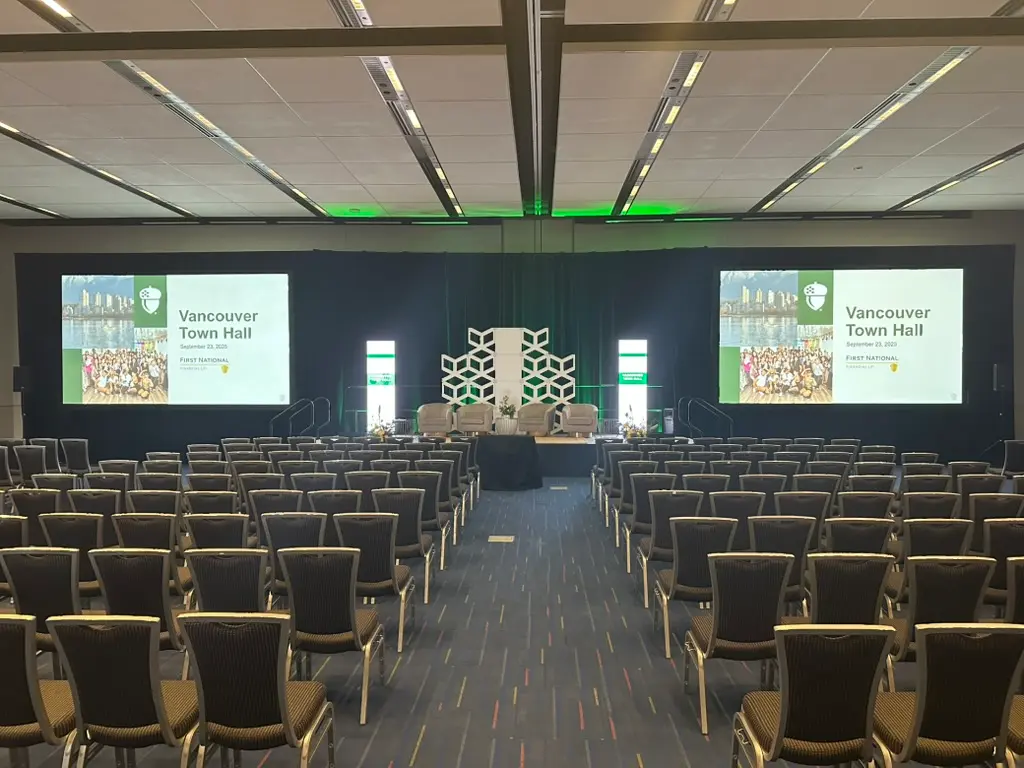
Town halls, leadership meetings, and shareholder meetings such as Annual General Meetings (AGMs) or earnings calls bring corporate leaders, board members, and employees or investors together to align on strategy and performance.
Use these events when:
Shareholder meetings are used to share financial results and discuss corporate strategy, making them essential when transparency and alignment matter.
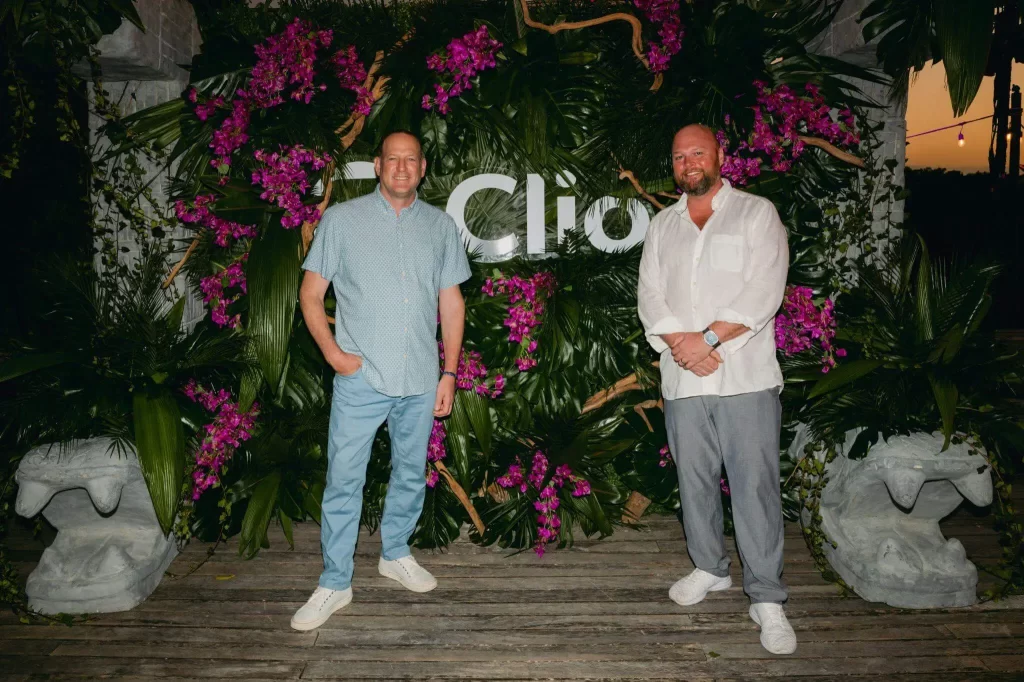
Team‑building events are designed to strengthen relationships, trust, and communication among employees and support better team collaboration.
Use them when:
Corporate retreats are a type of incentive travel program that motivates performance and rewards achievements, often improving team morale and reducing burnout.
These milestone celebrations usually happen in a different venue from your usual office and can mix focused sessions with a more relaxed atmosphere.

Award ceremonies, gala dinners, and incentive trips recognize outstanding performance, creativity, or long‑term contributions within an organization.
Use them when:
Holiday parties and recognition events often include catering, entertainment, and awards, and can have a positive impact on engagement and retention.

External events focus on clients, prospects, partners, and media and aim to build brand presence, generate qualified leads, and strengthen business relationships. Done well, these events strengthen relationships beyond the commercial transaction and act as brand statements that show what the company stands for.
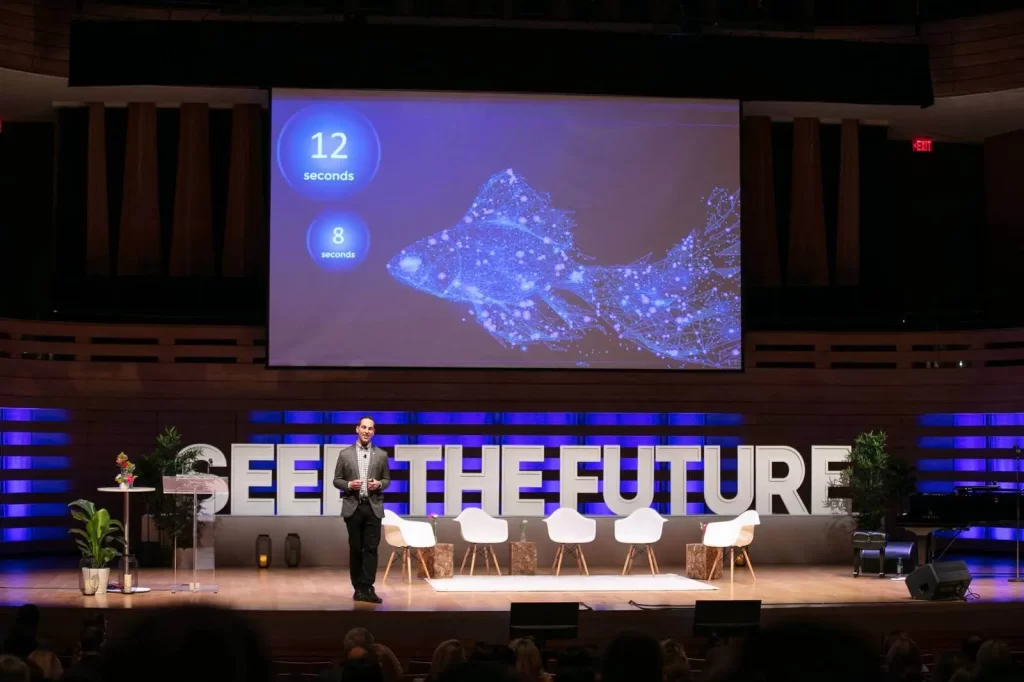
Conferences and seminars are large‑scale gatherings centered on industry‑specific themes, featuring keynote speakers and panel discussions. They provide great networking and educational opportunities and bring industry leaders together to share knowledge and exchange ideas.
Use them when:
Virtual and hybrid conferences combine in‑person experiences with digital components to accommodate virtual attendance and extend reach, so remote teams can still participate.
Trade shows are large‑scale industry events where companies come together to showcase their latest products, services, and innovations to potential customers, distributors, or partners.
Use them when:
Measuring the return on investment (ROI) of corporate events is a priority for many teams, so define what a qualified lead looks like and how many you want before the show.
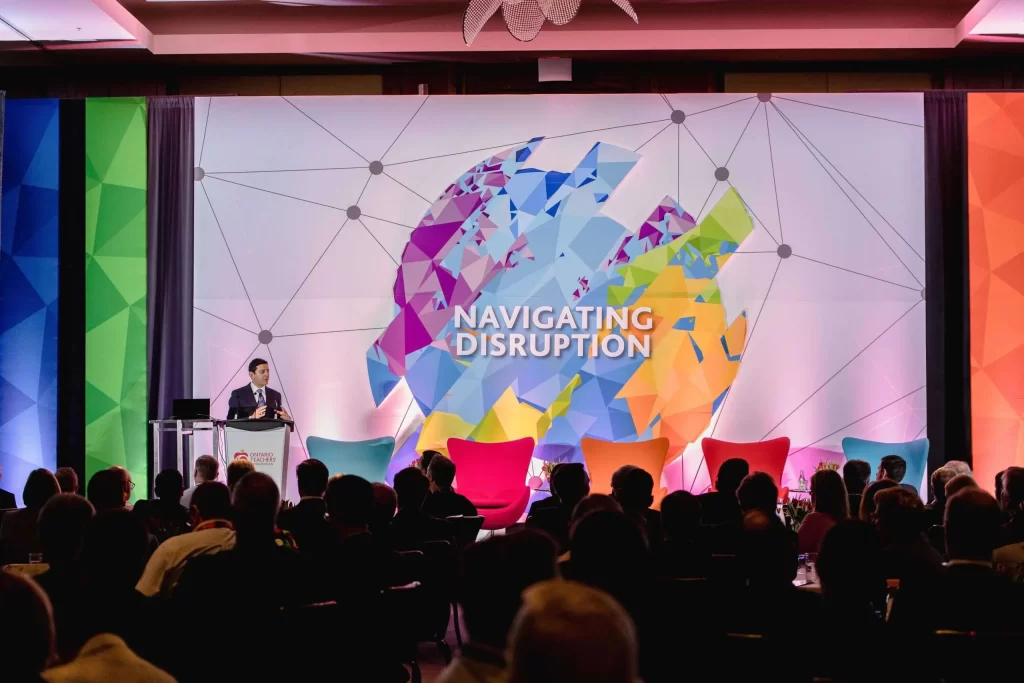
Networking events are informal gatherings where businesses can connect with their target audience and showcase their company. Client summits add more structured content for key accounts but share the same focus: build relationships and create opportunities.
Use them when:
Networking events allow professionals to connect and explore new business opportunities in a relaxed setting, often in a different venue from a typical boardroom.
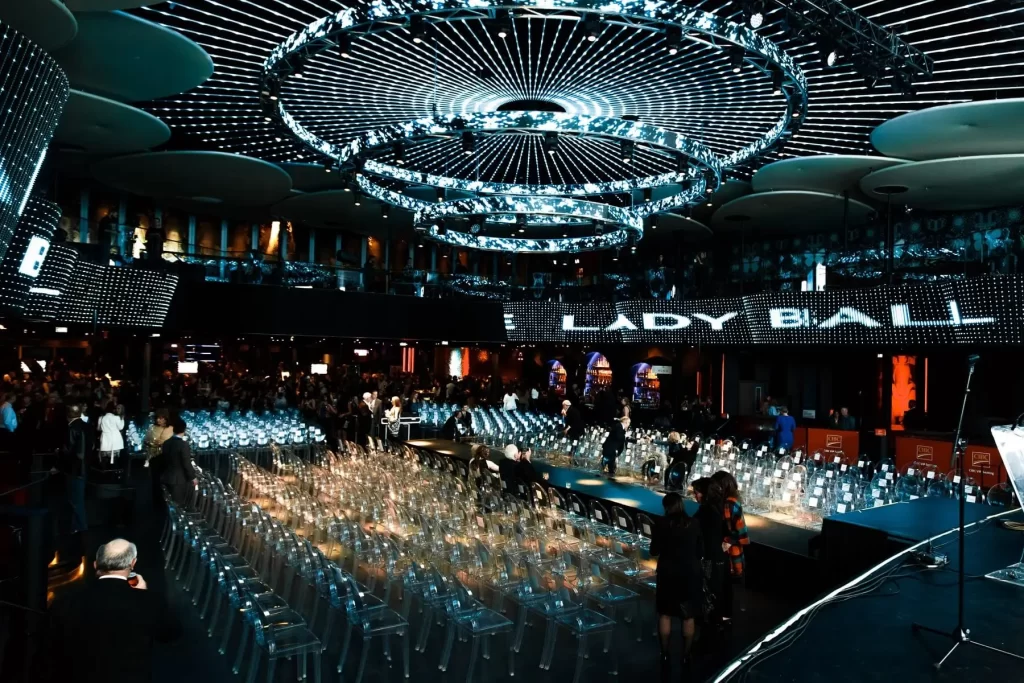
Charity and fundraising events help companies fulfill their social responsibility while enhancing their public reputation.
Use them when:
These events often double as recognition moments and relationship-building platforms where you can express gratitude to supporters.
Experiential formats are ideal when you want unboring experiences that people remember and share online and offline, and when the experience matches the message.
Product launches are extravagant corporate events that showcase a business and leverage technology to create a wow factor. They introduce new offerings, generate excitement and feedback, and create content for communication channels.
Use them when:
Roadshows extend the same idea across multiple cities, bringing the launch closer to regional teams and prospects and sometimes using iconic locations from local landmarks to destinations like Las Vegas to attract attention.
Brand activations and pop‑ups are immersive, short‑term experiences that bring your brand story to life in the right venue—festivals, busy districts, or high‑traffic event spaces.
Use them when:
The best activations offer a unique blend of entertainment and insight in a perfect venue for your audience, sometimes with catering or hospitality. When you design interactive elements and invite industry leaders or influencers, these formats create memorable experiences that build relationships.
Successful corporate event planning starts by defining the main objective, then choosing the event type and size to match it.
A simple way to decide is to start with your core goal and audience:
| Primary goal | Core audience | Recommended event types |
| Employee engagement | Employees, leaders | Town halls, team‑building events, retreats, recognition |
| Brand awareness | Clients, prospects, media | Conferences, trade shows, brand activations, product launches |
| Lead generation | Prospects, partners | Trade shows, client summits, networking events |
| Relationship building | Existing clients, key accounts | Client summits, networking dinners, charity events |
| Strategy and alignment | Executives, shareholders, boards | AGMs, leadership meetings, town halls |
| Training and enablement | Employees, partners | Training sessions, workshops, virtual learning series |
Event planners manage logistics, budgets, schedules, and staff, and tracking ROI – attendance, engagement, and leads turns each event into a learning loop rather than a one‑off.
Corporate events can be internal or external, intimate or large‑scale, but the most effective ones are chosen to fit a clear business objective and act as true brand statements that deliver measurable results in engagement and retention. When you understand the main types of corporate events and when to use each, you can design conferences, launches, team‑building experiences, and summits that create meaningful connections and long‑term impact.
If you’re planning your next corporate event and want a partner who brings both strategic thinking and flawless execution, Yellow House Events specializes in designing experiences that are anything but ordinary. Get in touch to start the conversation.