Experiential Marketing 101: What It Is, Why It Works, and When to Use It
Jun 05, 2026

Studies show 85% of consumers are more likely to purchase a product or service after attending a live brand experience, making experiential marketing one of the most commercially effective strategies available to brands.
Today’s consumers are exposed to thousands of ads every day, often skipping or ignoring traditional formats entirely. While traditional advertising interrupts, experiential marketing invites participation. It creates opportunities for audiences to interact, explore, and connect with brands in meaningful, memorable ways.
At Yellow House Events, a Toronto-based experiential marketing agency, we specialize in designing experiential campaigns, events, activations, and custom experiences that are strategic, measurable, and built to last. As a leading experiential event agency in Toronto, we help brands move from visibility to genuine connection. From brand activations and pop-up events to full-scale immersive experiences and B2B events, we design experiences that deepen engagement and drive results!
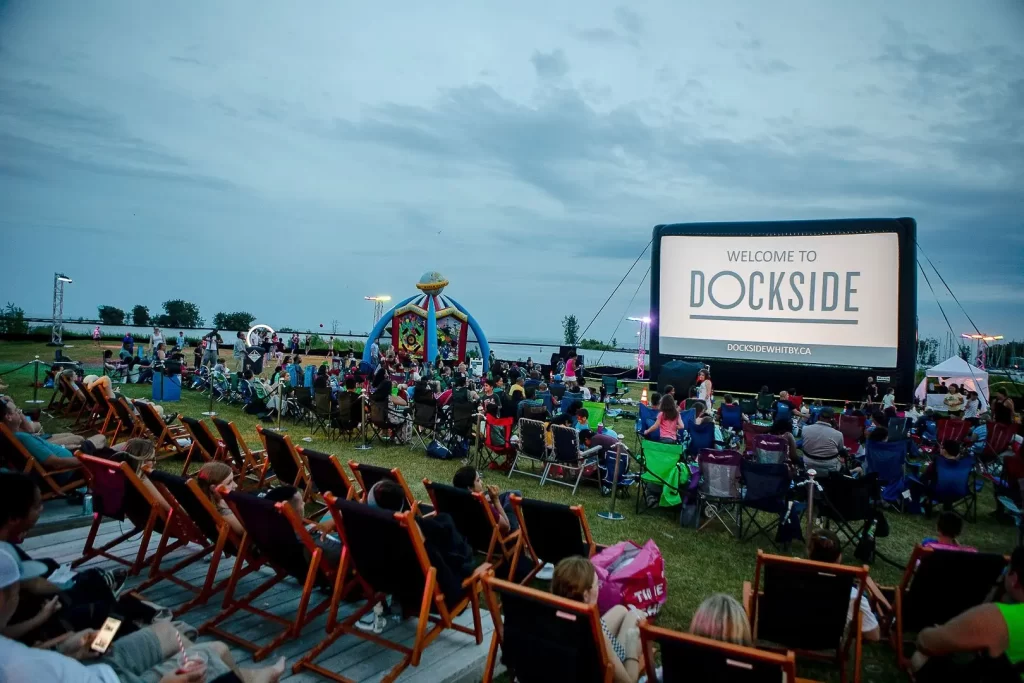
Experiential marketing is a strategy that creates immersive, interactive experiences where consumers engage directly with a brand instead of passively consuming advertisements. Through hands-on experiences such as pop-up shops, product demonstrations, brand activations, and interactive installations, it helps brands build emotional connections, increase brand awareness, and build brand loyalty.
Experiential marketing allows customers to engage with a brand in meaningful ways, creating memorable experiences that influence purchasing decisions.
Yes. 77% of marketers say experiential events are the most effective marketing channel. Well-designed campaigns consistently report an average ROI of 25–34% on event spend, with return on investment increasing further when paired with strong digital amplification. Beyond ROI, 82% of consumers report a more positive perception of brands that prioritize experiential marketing, making it one of the few strategies that simultaneously builds awareness, trust, and purchase intent in a single touchpoint.
| What It Does | Why It Works |
| Builds personal connections | People trust and remember brands they have personally experienced |
| Amplifies reach organically | Live moments generate user-generated content, social media mentions, and word-of-mouth |
| Drives measurable outcomes | Campaigns produce trackable results: leads, conversions, social media engagement, and brand sentiment shifts |
| Strengthens customer relationships | Direct brand interaction turns satisfied customers into loyal advocates and brand ambassadors |
| Surfaces actionable insights | Post-event feedback and audience behaviour inform future experiential marketing strategies |
Every experiential strategy follows the same core principle: give people something real to interact with, and they will form a stronger connection than any passive message could create.
A well-executed experiential marketing campaign typically involves three phases: a creative concept that ties the experience to the brand’s identity and values, a live activation that engages the target audience in person, virtually, or through a hybrid format, and a post-event amplification plan that extends reach through social media channels, content, and follow-up engagement.
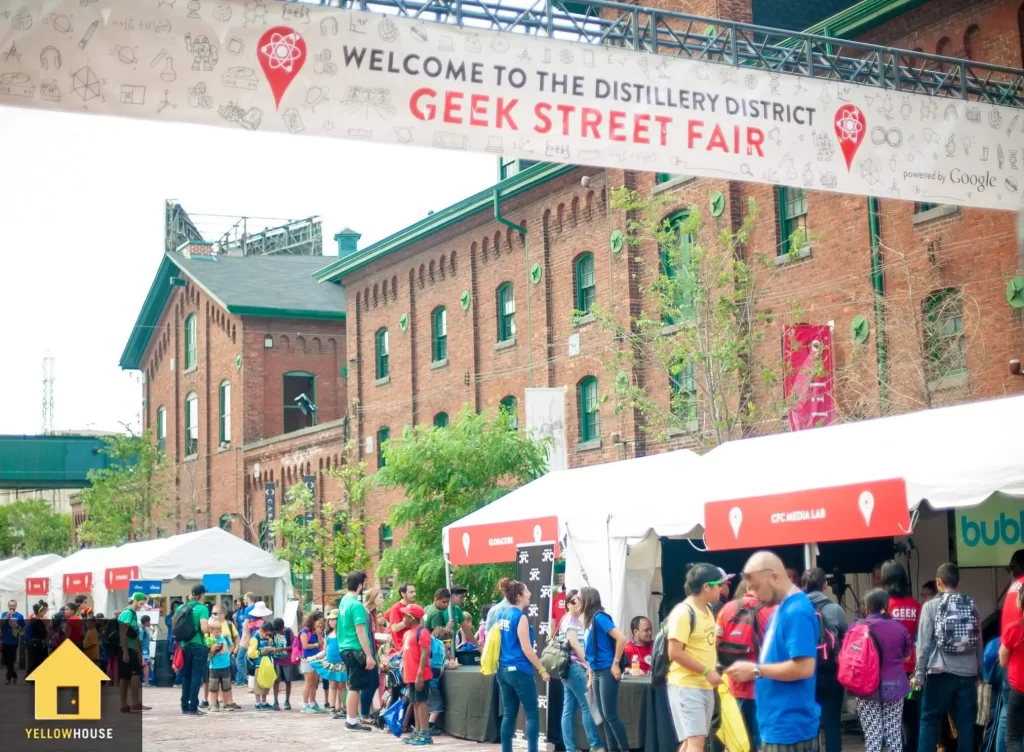
Experiential marketing can influence consumers at every stage of the marketing process, from first impression to long-term loyalty:
This full-funnel versatility makes experiential marketing a sustained strategy, not just a one-off activation.
Product Launch Campaigns
Launching a new product with experiential marketing allows consumers to experience it firsthand. Demonstrations, immersive environments, and interactive installations create excitement, generate feedback, and communicate brand values in ways static content cannot. Hands-on interactions shorten the buyer’s journey by moving consumers from awareness to consideration faster than traditional marketing alone.
Building or Repositioning Brand Awareness
When entering a new market or repositioning, experiential marketing creates a strong first impression with a new target audience. Pop-up events, retail activations, and festival sponsorships place the brand in organic environments. Ground marketing tactics like street teams and guerrilla activations can also raise brand awareness and spark intrigue, reaching audiences that paid channels may not capture.
Strengthening Customer Loyalty
VIP events, community activations, and customer appreciation experiences deepen personal connections with existing customers. These experiences reinforce relationships and turn satisfied customers into loyal customers, especially when paired with brand ambassador initiatives.
Trade Shows and Corporate Events
For B2B brands, event marketing helps companies stand out at trade shows, conferences, and industry events. A distinctive brand stand, interactive booths, and immersive installations capture attention and generate qualified leads. Direct interaction leads to more meaningful conversations and stronger sales opportunities than static displays alone.
Here are examples of how leading brands apply experiential marketing in practice:
| Brand | Campaign | Format | Key Results |
| Airbnb | Icons Experiential Campaign (2024) | Immersive, pop-culture-inspired experiences with first-party data capture | 1.7M new user profiles, 60M site visits, 1B social media impressions |
| The North Face x SKIMS | Collaboration Activation (2024–2025) | Multi-channel product launch with OOH, digital, and social-first experiential strategy | Sold out in under 20 minutes, 26.3M impressions, 262,300 site visits |
| H&M | H&M&LA Festival (April 2025) | Open-access branded festival blending fashion, music, and live brand interaction | 5,000 attendees, 2.1M social media mentions |
| L’Oréal Paris | Big Deal Mascara Pop-Up (February 2025) | Interactive Times Square pop-up with real-time digital billboard activation | 8,000 product samples distributed, 18.6M hashtag instances |
Experiential marketing is a strategy that engages consumers through live, interactive, and immersive brand experiences. It comes with many advantages compared to traditional marketing efforts. Instead of relying only on traditional advertising, it invites people to participate in experiences that create stronger emotional connections with a brand. Common formats include pop-up events, brand activations, product demonstrations, interactive installations, virtual events, and hybrid experiences.
Yes. By allowing people to interact with a product, service, or brand environment firsthand, experiential marketing improves brand recall, strengthens emotional connection on a personal and emotional level, and increases purchase intent.
Experiential marketing is most effective during product launches, brand repositioning efforts, market expansion initiatives, trade show participation, and customer loyalty campaigns, particularly when a brand wants to create a lasting impression that traditional marketing methods cannot replicate.
If you are exploring experiential marketing ideas for your next campaign, consider how a focused live or hybrid experience could create the kind of moments your audiences remember, talk about, and act on. Yellow House Events designs and delivers experiential campaigns from strategy and creative through to production and on-site execution so your team can focus on the relationships and results that matter most.
Experiential marketing is most powerful when you are ready to move beyond impressions and create moments your audience can actually feel. It works best for brands that want to launch something new, deepen loyalty, or stand out in busy, competitive spaces. When you design an experience with intention, you’re not just showing up—you’re giving people a story they’ll remember, share, and return to.
Brands often turn to experiential marketing when they want to:
If you’re exploring experiential marketing ideas for your next campaign, consider how a focused live or hybrid experience could bring your brand to life in a way traditional advertising can’t.
Explore experiential marketing with Yellow House Events and get in touch to start designing experiences your audience will remember, talk about, and act on.